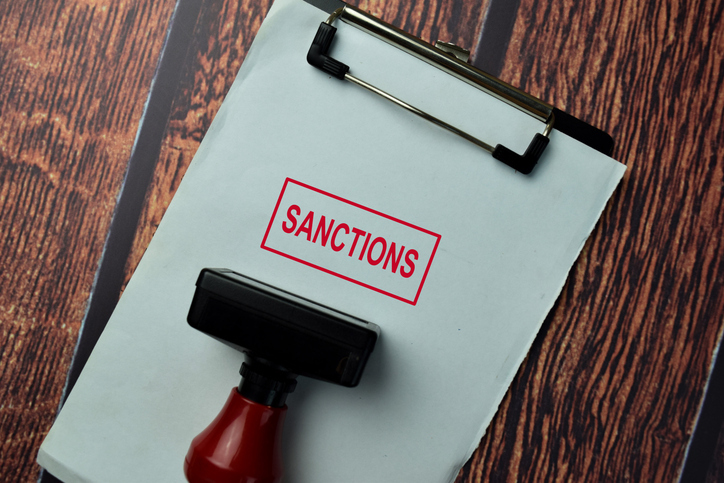

 Sanctions
 Industry News
Key insights include:
➡️ Coordinating Sanctions Enforcement: The strategy builds on the Government’s 2025 review of sanctions implementation and enforcement;
➡️ Stronger Enforcement Focus: Robust sanctions enforcement is identified as a national priority to ensure sanctions remain an effective foreign policy and national security tool;
➡️ Clearer Compliance Expectations: The strategy aims to help industry better understand compliance obligations and the potential consequences of sanctions breaches;
➡️ Whole-of-Government Approach: The framework outlines how multiple departments and agencies work together to investigate and enforce sanctions violations;
➡️ Range of Enforcement Tools: Authorities may deploy a spectrum of responses, including civil penalties, criminal investigations and other enforcement measures;
➡️ Deterrence Objective: The strategy emphasises increasing the deterrent effect of enforcement, particularly where individuals deliberately seek to evade sanctions;
➡️ Decision-Making Factors: Enforcement outcomes will consider aggravating and mitigating factors, including the nature of the breach and the level of cooperation with authorities; and
➡️ Compliance and Enforcement: The government highlights that strong internal compliance frameworks are essential to preventing sanctions breaches and reducing enforcement risk.
✅ Firms should review sanctions compliance frameworks and escalation procedures to ensure they align with the government’s strengthened enforcement expectations.